The honest environmental case for container farming
A closed-loop, climate-controlled container uses water, land and chemicals very differently to an open field — with real trade-offs we're upfront about, including the energy it takes to run.
*Indicative figures pending our published spec sheet, consistent with the figures used across metrofarms.co.uk — not independently verified or audited. See The System for the assumptions.
Where a container farm actually changes the environmental equation
Not every claim below is independently audited — treat the figures as indicative and directional, drawn from how the system is designed to operate.
Water
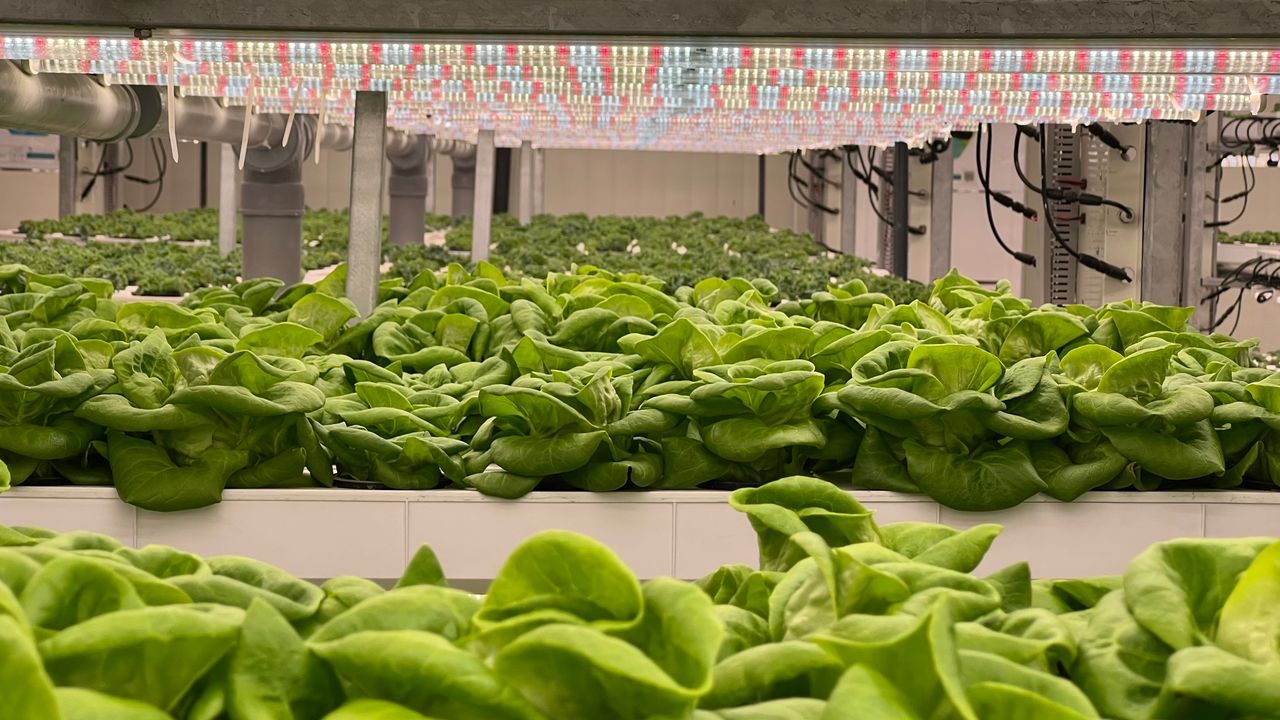
A closed-loop hydroponic system recirculates water and nutrients around the crop rather than losing them to soil, run-off and evaporation — the basis for the ~95% less water figure used across the site.
Land use
Vertical stacking inside a fixed container footprint means more growing layers per square metre of land than a single-layer field — more yield from a much smaller physical footprint.
Transport & food-miles
Because a container can be sited close to the point of sale — an urban or peri-urban site in the Netherlands, for example — produce travels a fraction of the distance of imported or long-haul field crops.
Chemical use
The sealed, controlled environment keeps out most of the pests and pathogens that drive field pesticide use, and there's no chemical run-off into soil or waterways from a closed system.
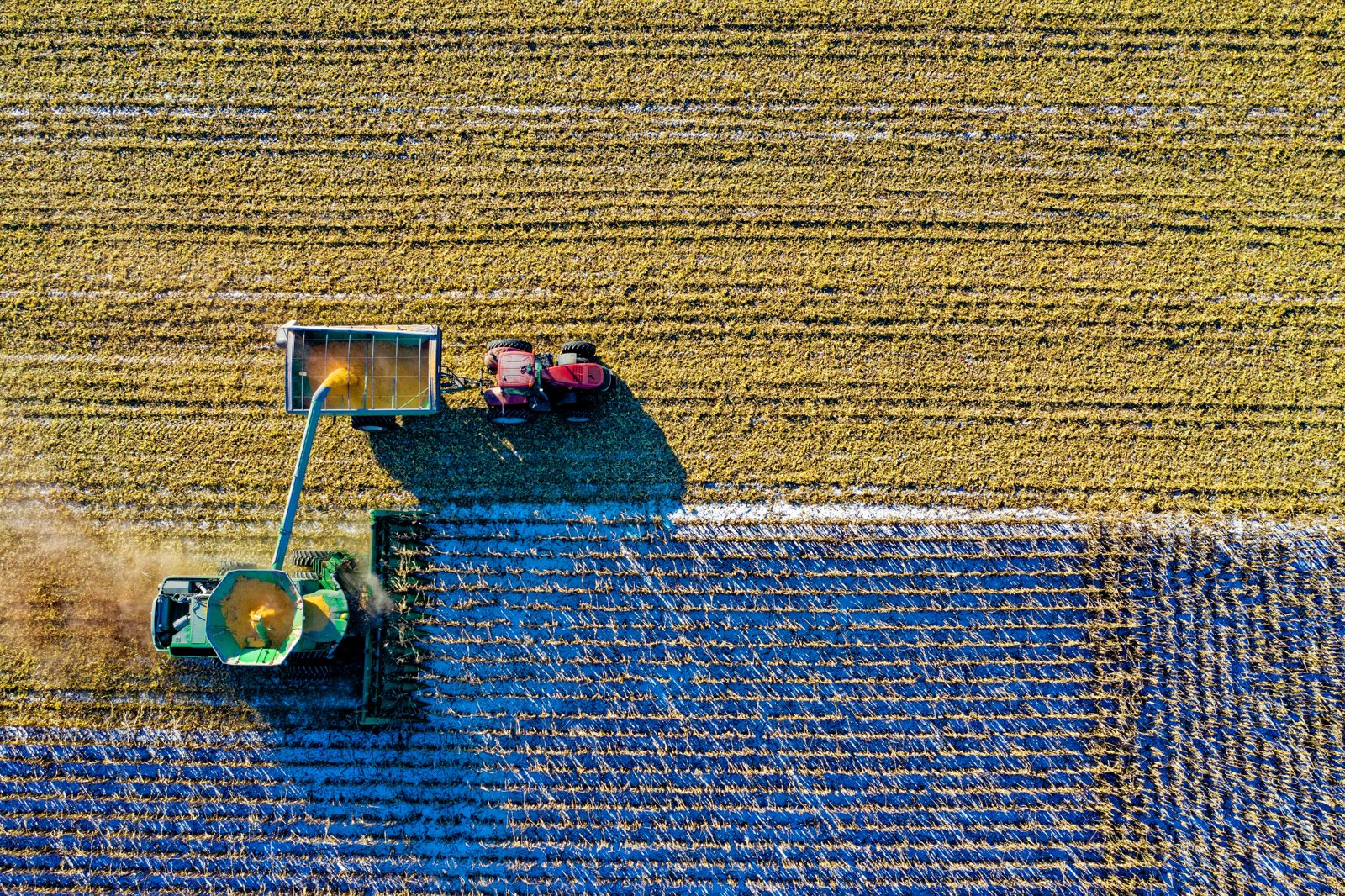
Same crop, very different inputs
Field agriculture draws directly on rainfall and irrigation, is exposed to seasons and weather, and typically ships produce long distances to market. A container farm recirculates its water, runs to a fixed year-round cycle regardless of season, and can be sited within the market it serves — trade-offs that shift the environmental profile, even before an independent audit is published.
See how this affects yield & cycle times →The parts of the picture we're upfront about
- Energy is a real input. Lighting and climate control run on electricity — a genuine cost and a genuine carbon consideration that field agriculture largely avoids. We don't gloss over this: see ROI & Economics for how energy cost is modelled into the numbers.
- No published lifecycle audit — yet. We haven't published a full lifecycle or carbon-footprint assessment covering manufacturing, energy sourcing, transport and end-of-life. Until that exists, we won't describe the system as "carbon neutral" or "zero impact."
- Water, land and food-mile figures are indicative. They describe how the system is designed to operate, based on the assumptions set out on The System and Crops & Yields — not third-party verified measurements for every site.
We'd rather you weigh the real trade-offs — including the energy question — than take an unqualified sustainability claim at face value.
People also ask
How much water does a container farm actually save?
Indicatively around 95% less water than equivalent field farming, because the closed-loop hydroponic system recirculates water and nutrients instead of losing them to soil, run-off and evaporation. This is a site-wide indicative figure pending our published spec sheet, not an independently audited measurement for every deployment.
Does a container farm use more energy than a field farm?
A container farm has a real energy input that field agriculture largely doesn't: electric lighting and climate control. That's a genuine cost and carbon consideration, not something we hide — see ROI & Economics for the energy-cost side of the model. We haven't published a full lifecycle carbon comparison, so we don't claim the system is carbon-neutral or has zero impact.
Is the produce grown without pesticides?
The controlled, enclosed growing environment removes most of the pests and pathogens that drive pesticide use in open-field farming, and there is no chemical run-off into soil or waterways. We describe this as reduced or eliminated need for field-style pesticide use, rather than an independently certified organic or pesticide-free claim.
Book a demo and ask us the hard questions
We'll walk you through the system, the energy trade-offs and the assumptions behind every indicative figure on this page.