From site survey to fixed-cycle harvest
Every MetroFarms container follows the same repeatable path: delivered and commissioned on your site, grown autonomously by IoT sensors and machine learning, then harvested and resupplied on a fixed cycle — with you watching a dashboard, not chasing a crop.
Delivery & commissioning
Getting a container from order to powered-up is a managed process, not a self-install kit. Our team handles the parts that need engineering judgement; you handle site access.
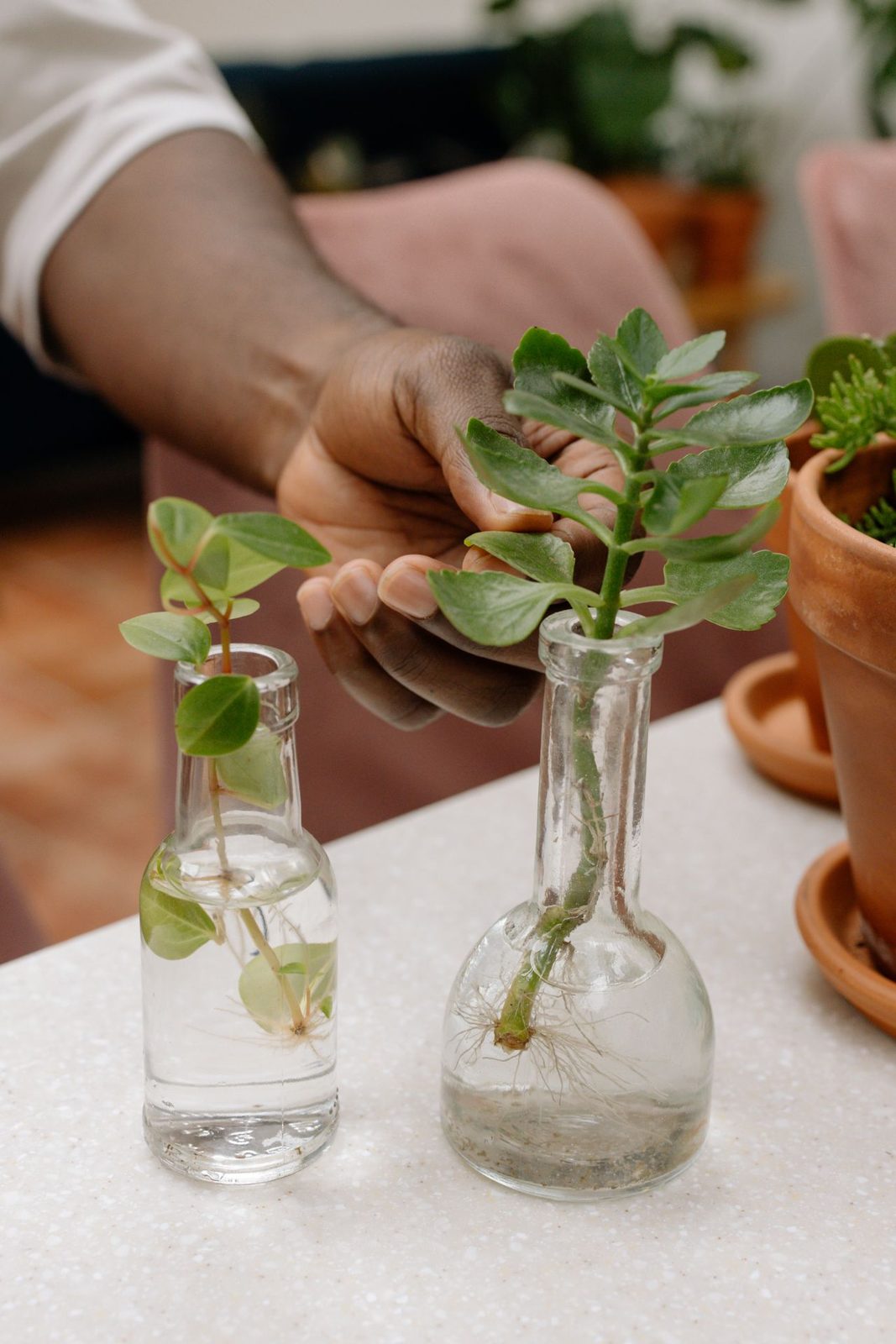
Site survey & prep
We assess ground conditions, access for delivery, and proximity to power, water and connectivity, then confirm groundworks and any permits needed before your unit ships.
Container ships
Your farm arrives as a modified 40ft high-cube shipping container, fitted out at the factory with racking, lighting, dosing and sensor hardware ready to connect.
Crane placement
A crane lifts and levels the unit on its prepared foundation, positioning it exactly where the site survey specified for access and utility runs.
Connect & commission
Engineers connect power, water and data, then run full system checks and calibration — commissioning is complete only once MetroFarms engineers sign the unit off as ready to plant.
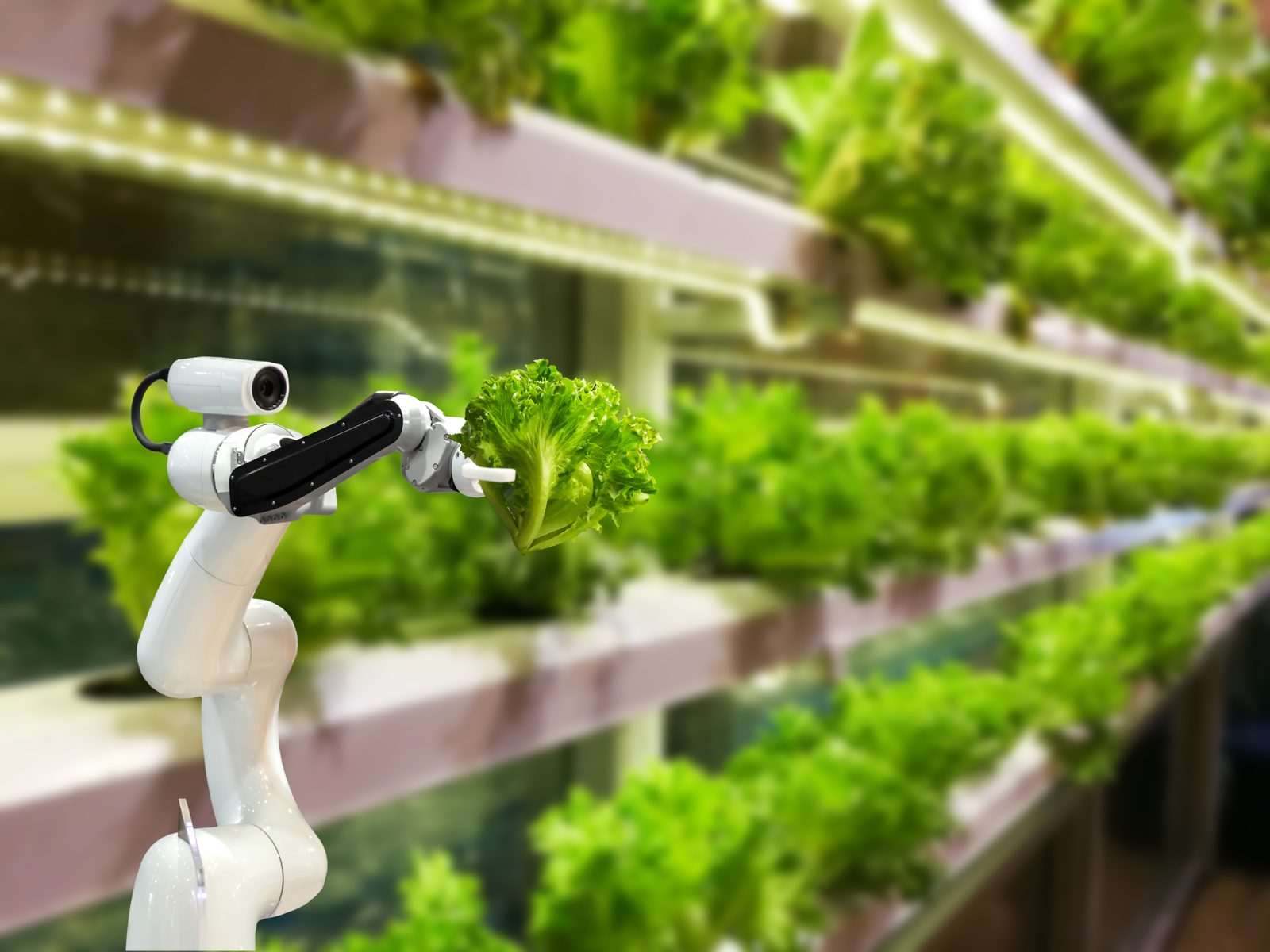
Autonomous growing
Once commissioned, the system runs the crop. Your role shifts from grower to operator — reviewing the dashboard and acting only when it asks you to.
Seeding & planting
Seedlings are placed into the hydroponic system according to the planting schedule for your chosen crop mix, starting the growing cycle clock.
IoT sensors + ML control
Sensors read light, temperature, humidity, CO₂, EC and pH continuously; ML models adjust climate, nutrient dosing and lighting in real time, around the clock.
Exception-only alerts
The cloud dashboard stays quiet while everything's on track and surfaces an alert only when a reading drifts outside its expected range — visibility without noise.
Remote support
If an exception needs more than an automatic correction, MetroFarms' remote support team can see the same sensor data you can and step in to advise or intervene.
Harvest & resupply
Harvest isn't the end of a cycle — it's the handover point into the next one, with every cycle making the model a little sharper.
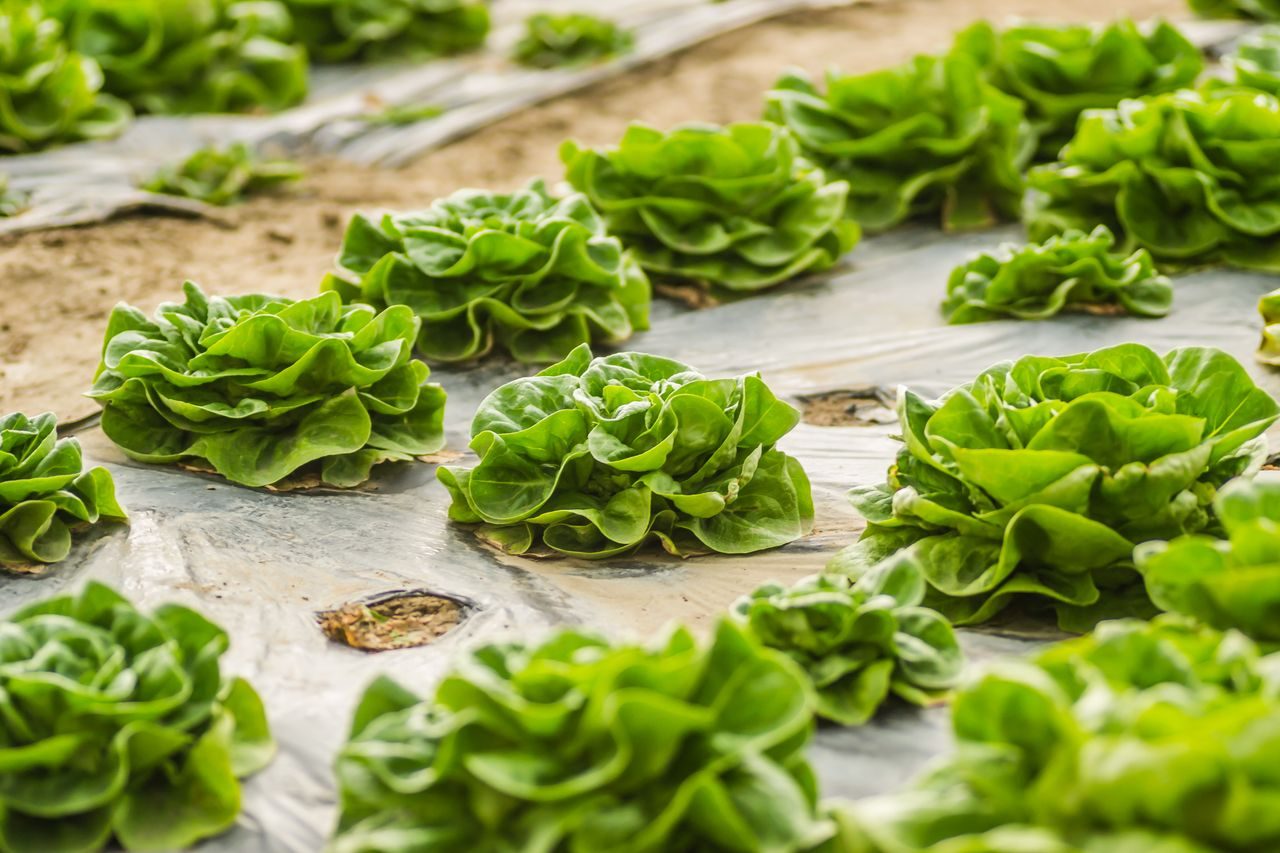
Fixed-cycle harvest
Crops are harvested on the schedule set for your crop mix, so output timing is predictable rather than a judgement call.
Quality & yield logging
Yield weights and quality checks are logged at harvest and fed back into the ML model, sharpening its climate and dosing decisions for the next cycle.
Immediate replanting
The next planting starts as soon as the previous crop is cleared, keeping the container in continuous production rather than sitting idle between cycles.
Ready for sale
Harvested produce is packed and ready for sale or distribution — see Case Studies for how growers route output to market.
People also ask
How long does installation take?
Indicatively around two weeks from site-ready delivery to full commissioning, covering crane placement, power/water/data connection and system checks by MetroFarms engineers — though exact timing depends on site access and utility readiness.
What do I need to do day-to-day?
Very little on a normal day. The IoT/ML platform manages climate, nutrients and light continuously; you monitor the cloud dashboard and respond to any exception alerts, plus handle harvest, packing and dispatch on the fixed cycle.
What happens if a sensor flags a problem?
The ML model attempts to self-correct first — adjusting dosing, climate or light automatically. If it can't resolve the issue, the dashboard raises an alert to you and to MetroFarms' remote support team, who can diagnose and advise or dispatch help.
Who provides support?
MetroFarms provides remote support for the full life of the system — from commissioning through every growing and harvest cycle — backed by the same engineers who install and configure your unit. See Pricing & Packages for what's included at each tier.
Book a demo and see a live cycle
We'll walk you through delivery, commissioning and a live sensor feed, and show you exactly what the system and the specs behind it look like in practice.