What actually grows in a container, and how the yield adds up
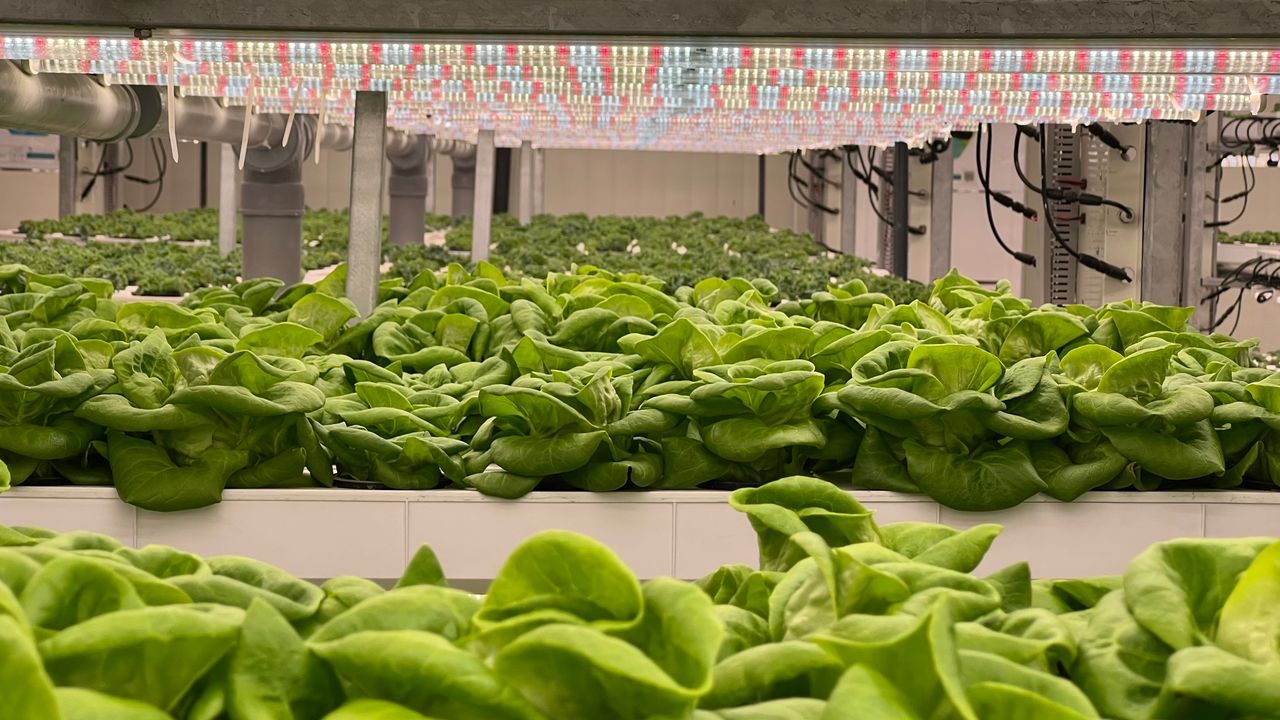
A MetroFarms unit is built around fast-cycling, high-density crops — leafy greens, herbs and microgreens — chosen because they suit tightly controlled hydroponic conditions and turn shelf space into revenue quickly.
Four crop families, four different rhythms
Cycle times below are based on standard hydroponic horticultural practice. Relative yield density and MetroFarms-specific output figures are indicative and will be confirmed on our published spec sheet — treat them as planning guidance, not guaranteed output.
| Crop | Typical cycle time | Relative yield density* | Fit for autonomous control |
|---|---|---|---|
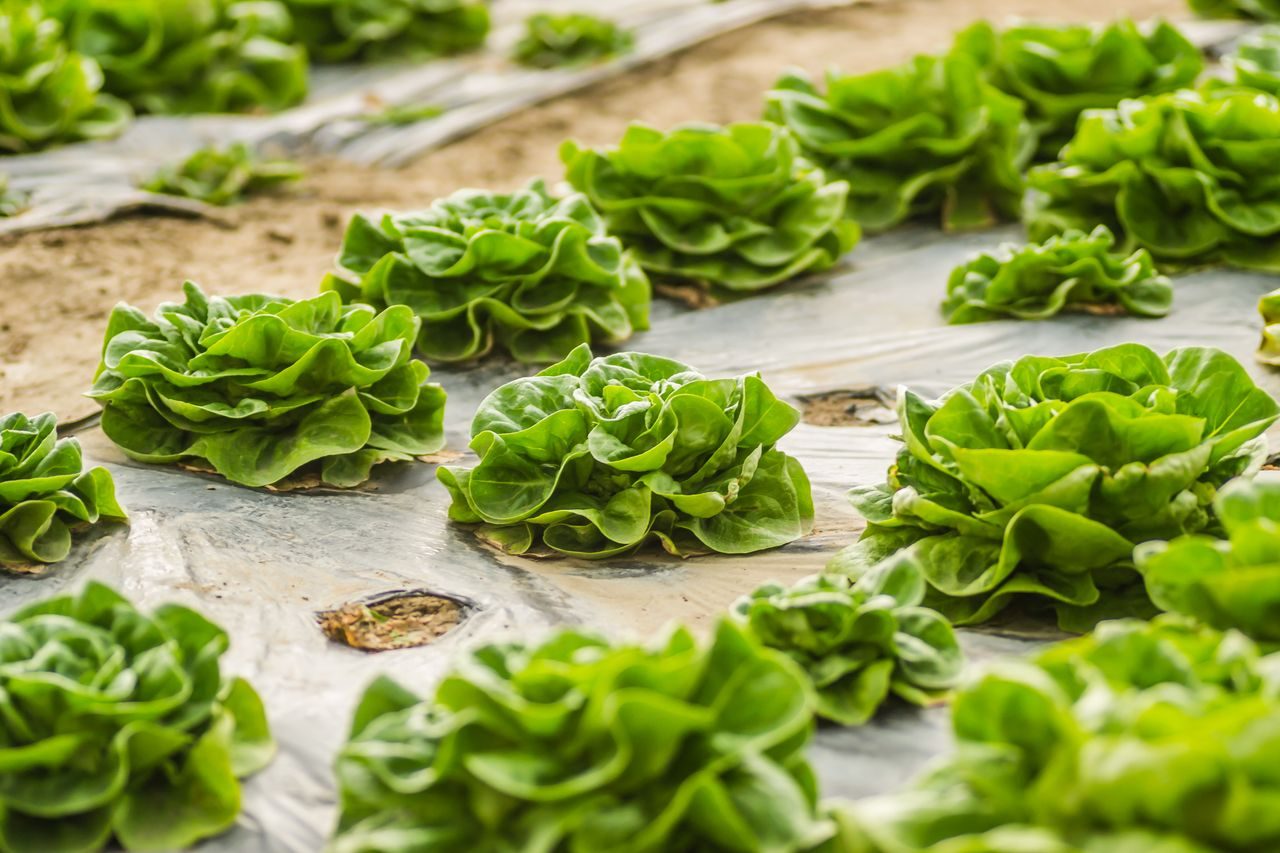
| Leafy greens (lettuce, butterhead) | 28–35 days | Medium–high | Excellent — well-mapped hydroponic recipes, tolerant of automated dosing |
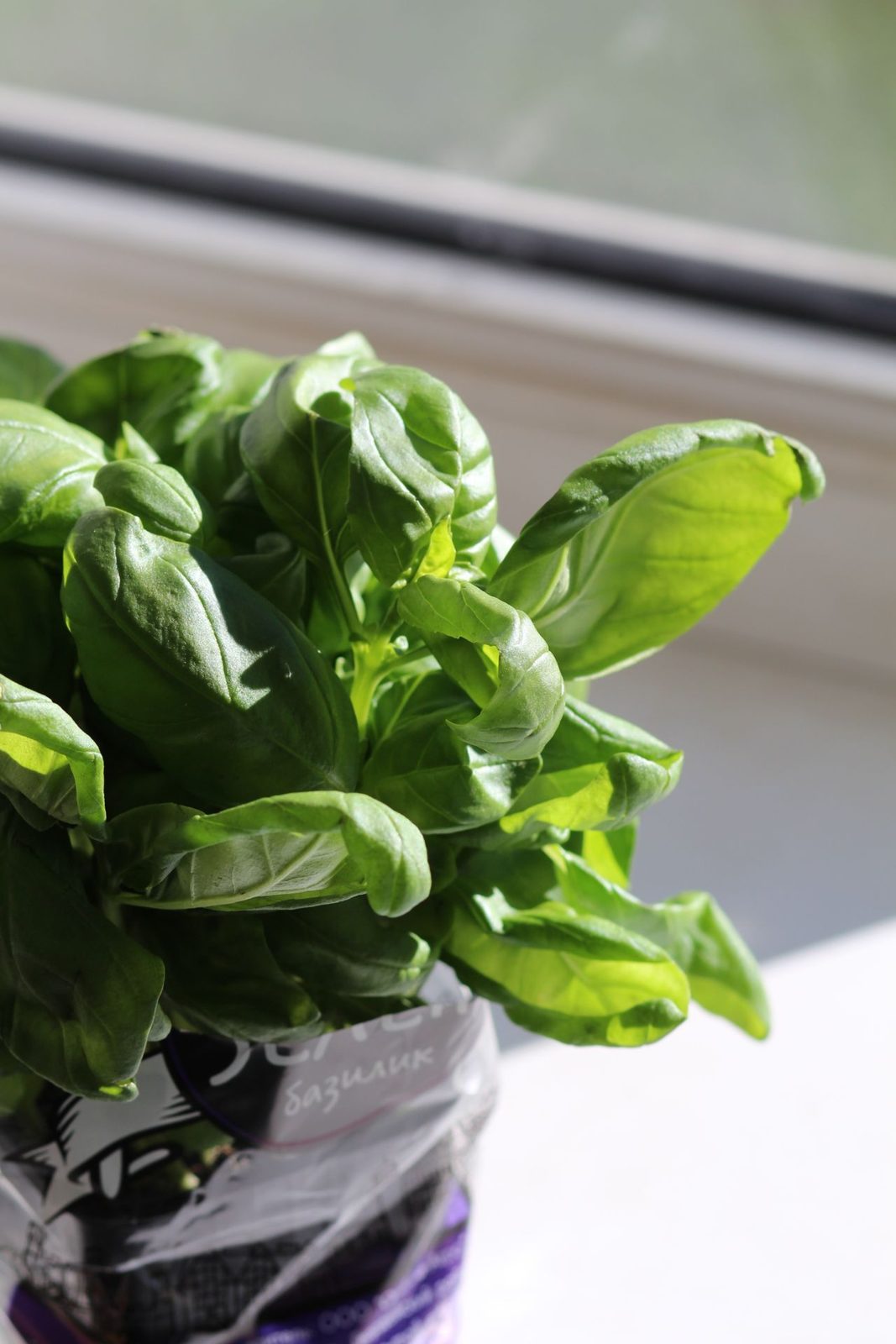
| Herbs (basil) | 21–28 days | Medium | Very good — responsive to light/nutrient tuning, higher price per kg |
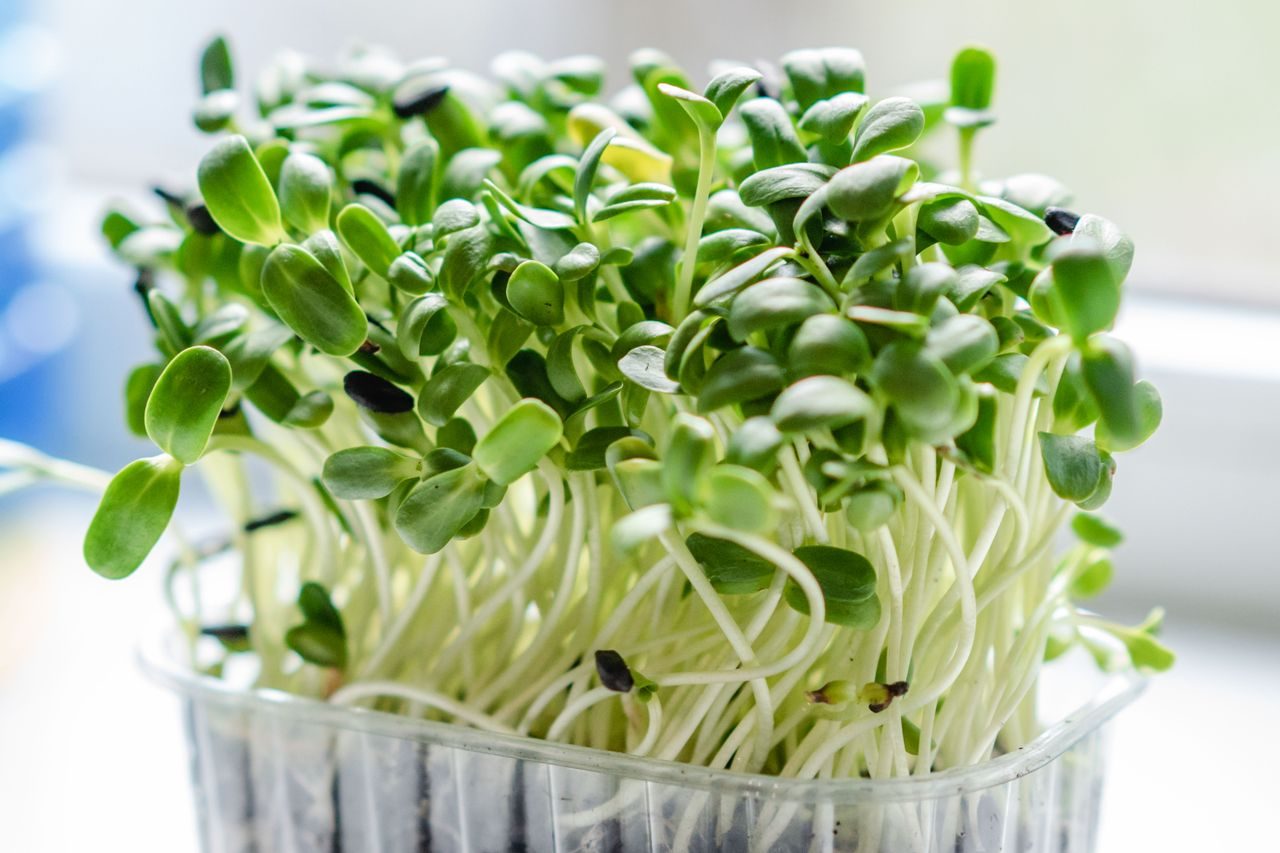
| Microgreens (various) | 7–14 days | High (by cycle count) | Excellent — short cycles mean less exposure to control drift |
| Strawberries | 60–90 days to first fruit, then rolling harvest | Low–medium | Moderate — needs pollination support and closer monitoring |
*Relative yield density is a planning guide, not a measured output figure. MetroFarms-specific per-crop yield numbers are indicative pending our published spec sheet — see the ROI & Economics calculator to model figures for your own crop mix.
What we screen for before a crop earns a growing tier
Not every crop suits a shipping-container footprint under automated control. We weigh four things when recommending a crop mix to a new operator.
Cycle speed
Faster cycles mean more harvests per year from the same footprint — microgreens and herbs turn over in one to four weeks, compounding revenue faster than slower crops.
Price per kg
Herbs and speciality microgreens command a higher price per kilogram than bulk leafy greens, which can offset lower volume — worth weighing crop by crop in the ROI calculator.
Shelf-life & local demand
Crops with short shelf-lives favour local, fast-turnaround supply — exactly the model a container farm sited near demand is built for. We weigh Dutch retail and food-service demand patterns per crop.
Difficulty under automated control
Crops with well-documented hydroponic recipes and tolerance for automated dosing are lower-risk for a first-time operator than fussier, pollination-dependent crops.
What each crop family looks like at harvest
How a crop mix builds up to the container-level yield figure
Our site-wide indicative figure of up to 7 acres of field-equivalent yield per container per year assumes a representative mix of fast-cycling leafy greens, herbs and microgreens across all growing tiers.
*Indicative, consistent with the figure on our home page, pending our published spec sheet — it depends heavily on which crops you choose and how many cycles you run. See the ROI & Economics calculator for the real numbers behind your own crop mix.
People also ask
What crops grow best in a container farm?
Leafy greens such as lettuce and butterhead, culinary herbs like basil, and microgreens are the strongest fit for a MetroFarms container — they're bred for hydroponic systems, tolerant of tightly controlled environments, and cycle fast enough to turn shelf space into revenue quickly. Fruiting crops such as strawberries can also work but generally need longer cycles and more careful pollination and support.
How is yield measured?
Yield is typically measured in kilograms harvested per growing tier per cycle, then annualised by multiplying by the number of cycles a crop completes in a year. Our site-wide "up to 7 acres field-equivalent" figure is an indicative comparison to open-field production, built from a representative crop mix — see the ROI & Economics calculator for figures modelled on your specific crop choice.
Can I grow more than one crop at once?
Yes. Many operators split growing tiers between a fast-cycling crop like microgreens or basil and a steadier volume crop like lettuce, so harvests and cash flow are staggered across the week rather than landing all at once. The ML control system can hold different tiers at different climate set points within limits.
How does crop choice affect ROI?
Crop choice changes three things that drive payback: cycle time (how many harvests you get per year), price per kilogram in your local market, and growing difficulty (which affects consistency and waste). A faster, easier crop at a lower price can outperform a slower, harder crop at a higher price — model your own mix on the ROI & Economics page.
Run your crop mix through the ROI calculator
See how cycle time, price per kilogram and growing difficulty for your chosen crops turn into payback period and annual yield — then book a demo to see it growing.