Worked scenarios, not real customer stories — yet
We'd rather show you honest, transparent maths than borrow credibility we haven't earned. Every scenario below is a modelled example built from our published assumptions — not a real grower's results.
Three worked examples, modelled the same way you'd model your own
Each scenario sets out its assumptions in full — crop mix, cycle count, and the inputs behind the modelled outcome — so you can see exactly how the numbers were reached, and re-run them yourself on the ROI & Economics page.

A microgreens single-container year
A fully-worked scenario built entirely on our own ROI & Economics calculator's published default assumptions for one 40ft container run on microgreens for a full year. This is not a verified operator — it's the maths behind the calculator's microgreens preset, laid out so you can check every figure and re-run it with your own numbers.
- Crop: microgreens · 12-day cycle · 30 cycles/year · 90kg per cycle
- Price: €28.00/kg · Container capex: €145,000
- Energy: 42,000 kWh/yr at €0.28/kWh · Labour: 520 hrs/yr at €20/hr · Consumables: 8% of revenue
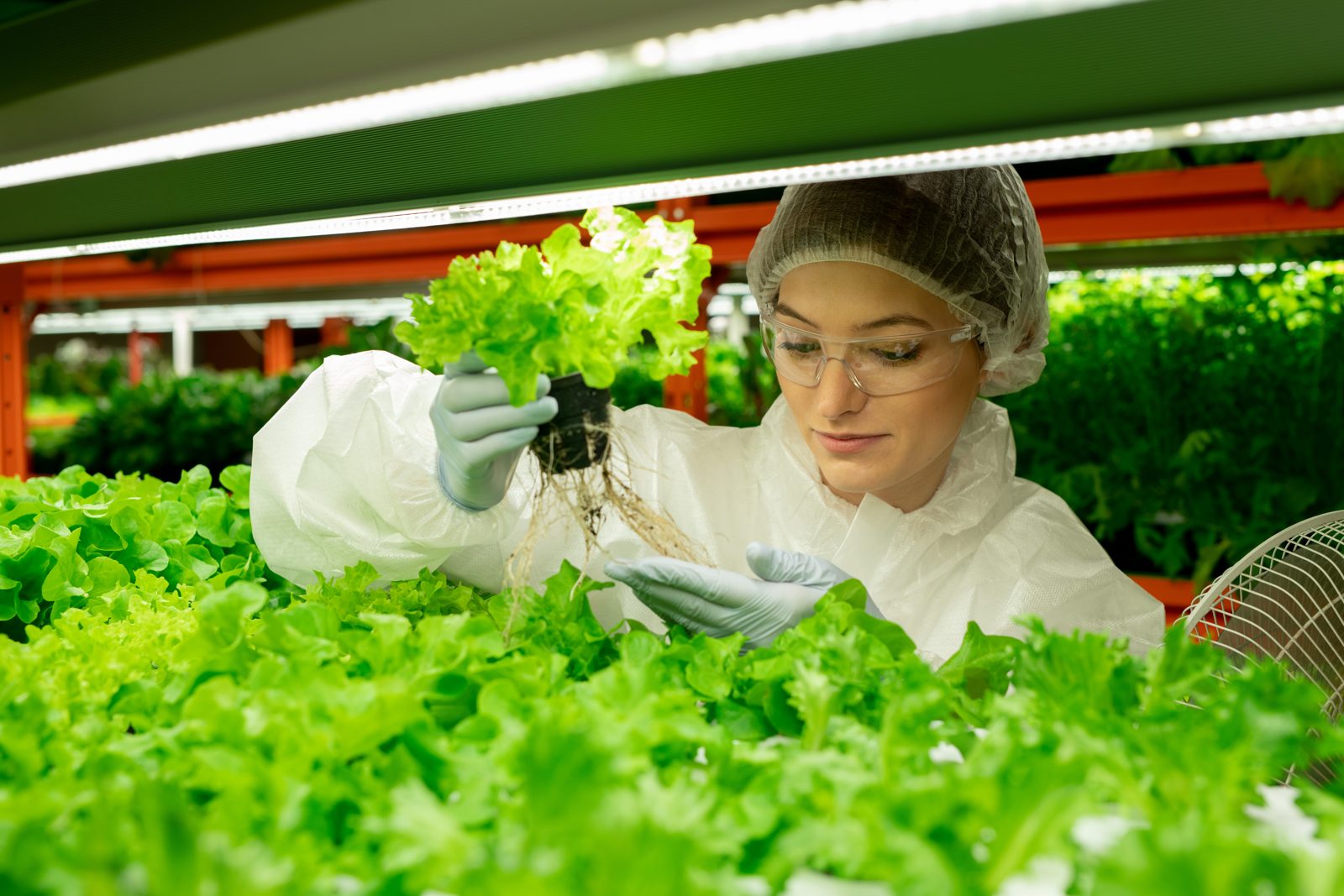
A wholesale supply scenario
Two containers run back-to-back to supply a fixed weekly volume against a standing wholesale order, prioritising consistency of cycle and quality over variety.
- Crop mix: single leafy-green variety for consistency
- ~13–14 harvest cycles per year per container
- Fixed-volume contract, staggered planting across two units

A restaurant-supply scenario
A single container growing a higher-value mix of herbs and speciality salad leaves for a small cluster of independent restaurants paying a premium for freshness and variety.
- Crop mix: herbs and speciality leaves, higher price per kg
- ~9–11 harvest cycles per year, shorter runs per variety
- Delivery radius kept small to protect freshness premium
Why we're using placeholders, not fake customers
It would be easy to invent a name, a town and a testimonial quote to fill this page. We're not going to do that. MetroFarms is a new proposition in this market, and until real growers have run real cycles, any "case study" with a name attached would be fiction dressed up as evidence.
Instead, we've chosen to:
- Show our working — every scenario states its assumptions plainly, and points back to the same ROI methodology you can run yourself.
- Mark every scenario as illustrative, on the card itself, not buried in a footnote.
- Avoid manufactured trust signals — no invented reviews, no star ratings, no testimonial quotes attributed to people who don't exist.
- Replace this section, scenario by scenario, with real named case studies and verified figures as soon as growers come online.
This is the same honest-cons approach we take across the site: where we don't yet have the evidence, we say so, and we show you how to check the numbers for yourself rather than asking you to take our word for it.
People also ask
Are these real customers?
No. MetroFarms has no named customer deployments to publish yet in this rebuild. The scenarios on this page are illustrative worked examples built from our published yield and cost assumptions, not real grower results — each is clearly labelled as a placeholder.
When will real case studies be published?
As soon as early growers are running MetroFarms units and are willing to share verified figures, we'll replace these illustrative scenarios with real, named case studies and the data behind them.
Can I speak to a reference grower?
Not yet, because no deployments have completed a full production cycle on this rebuild. Book a demo and we'll be upfront about where we are in the rollout, and put you in touch with a reference grower as soon as one is available.
Run your own ROI, then book a demo
Test your own crop mix, price per kg and cycle count in the calculator, then talk to us about what a real deployment would look like on your site in the Netherlands.